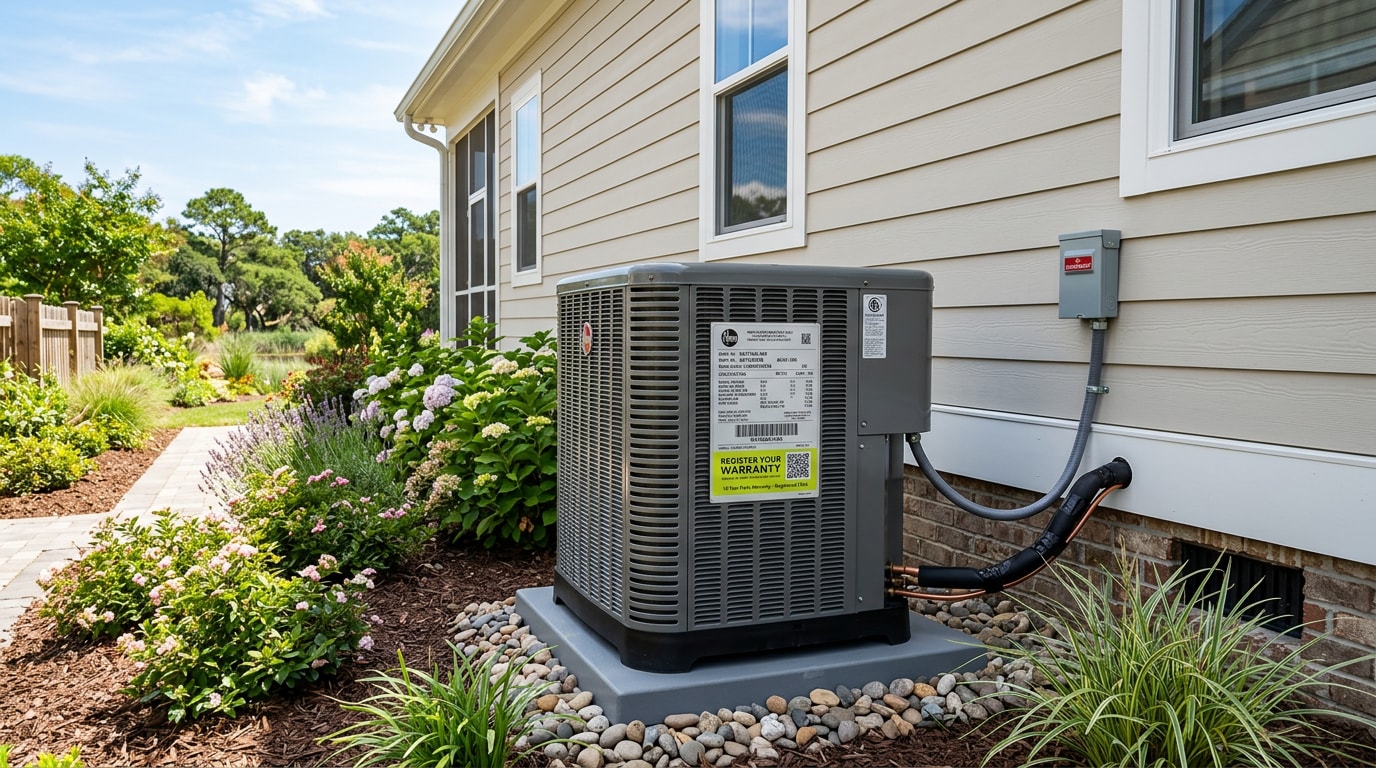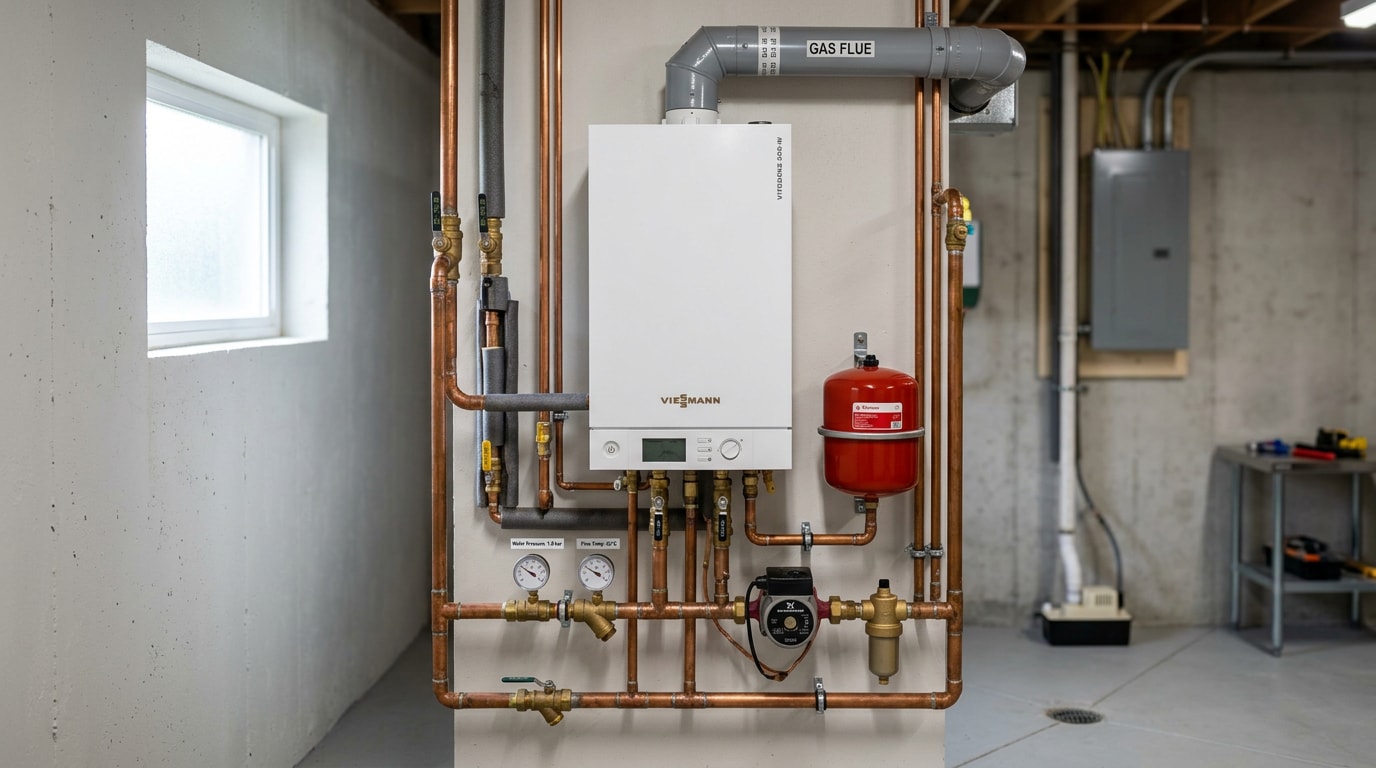
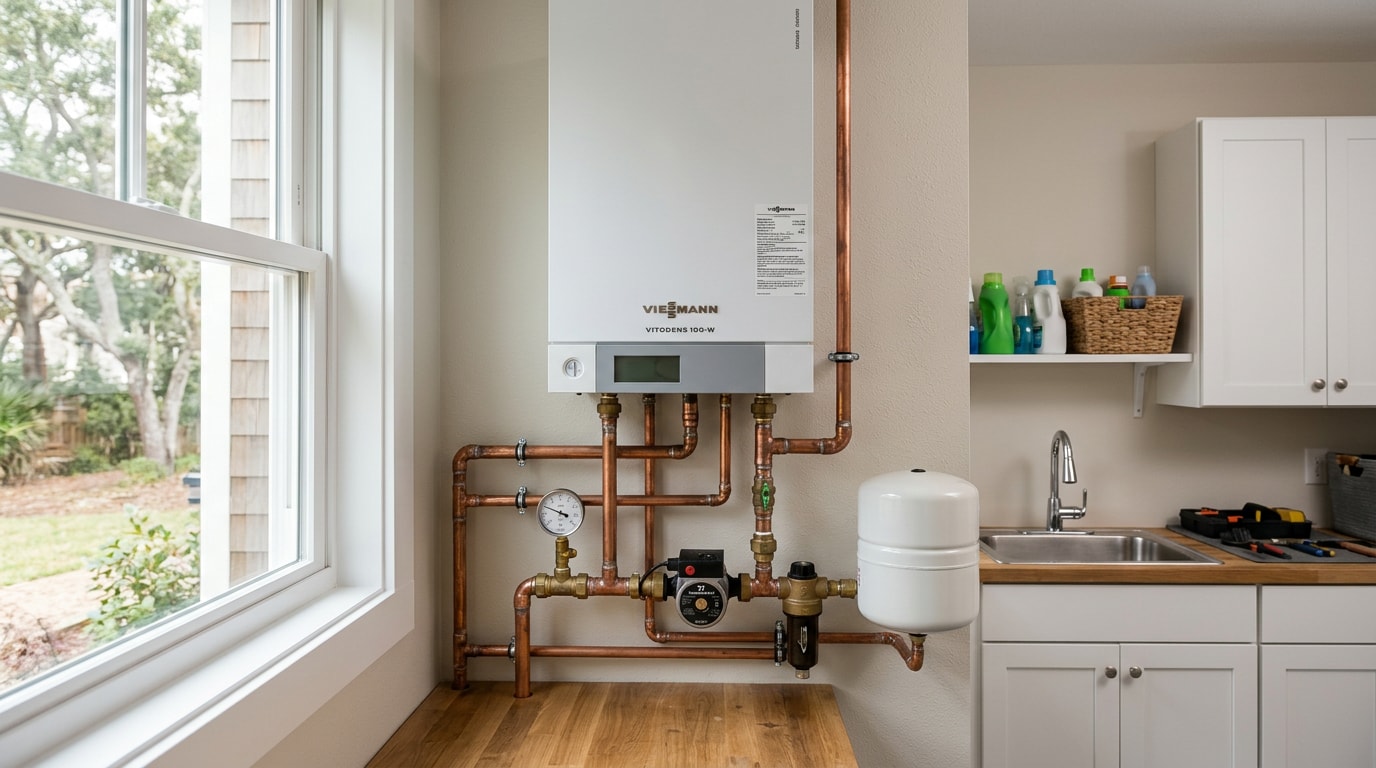
Boiler heating system maintenance in Emerald Isle, NC is the difference between a quiet, efficient winter and a mid-January breakdown after salt air and humidity have already done their damage. A proper annual tune-up catches the corrosion, pressure problems, and combustion issues that coastal conditions accelerate, long before they turn into a cold house or a safety call. Here's what a real service visit covers, what you can safely handle yourself, and when to stop and call a licensed technician.
Boiler service falls under our broader HVAC Contractor work, alongside furnace, heat pump, and system replacement care for homes across the Crystal Coast.
What a Professional Boiler Tune-Up Actually Covers
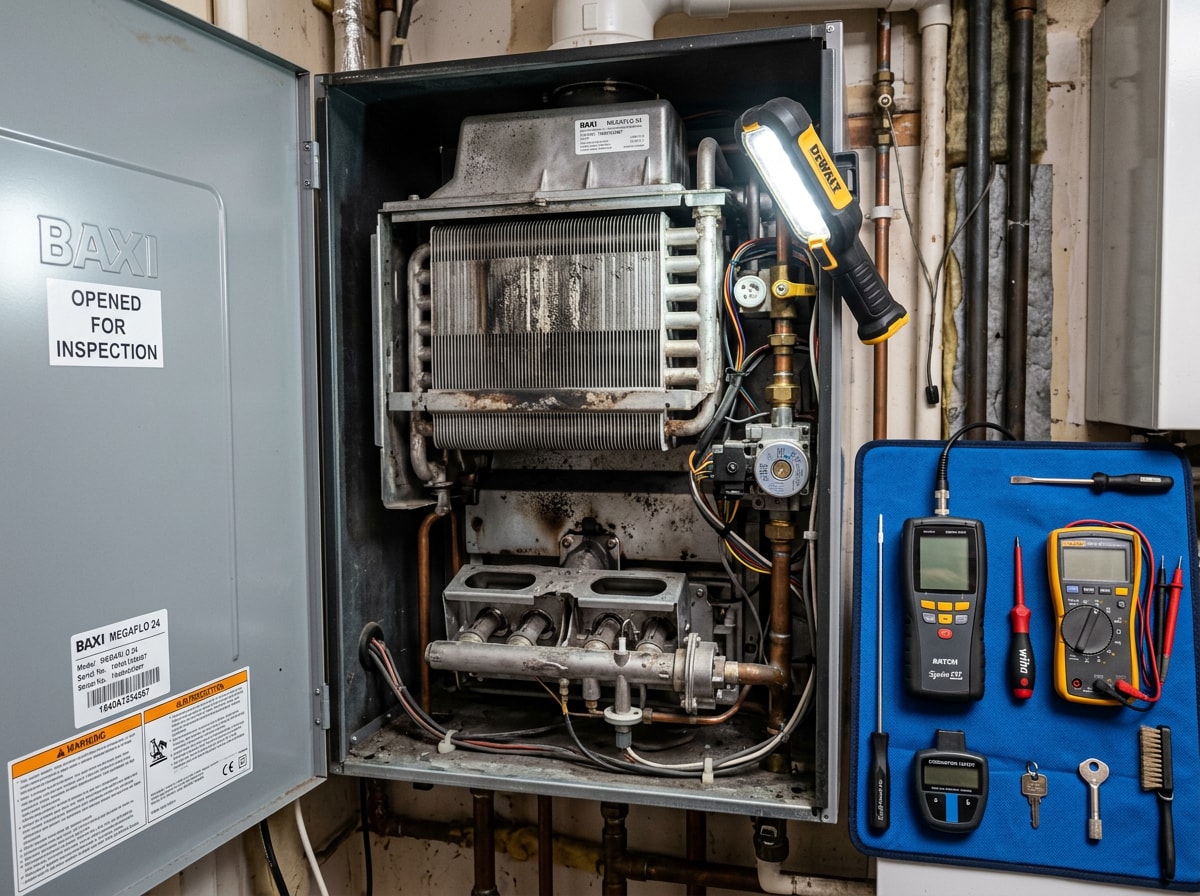
A real boiler tune-up is a structured inspection, not a five-minute glance at the cabinet. Technicians work through six core steps built to catch problems before they become breakdowns or safety hazards.
- Visual inspection of the cabinet, venting, and surrounding area for damage, corrosion, or blockages.
- Internal cleaning of the heat exchanger, burner assembly, and other components exposed to soot or scale.
- Flue and ventilation check to confirm exhaust gases are venting safely to the outside.
- Safety control testing, including the low-water cutoff and pressure relief valve.
- Gas pressure check to verify the burner is getting the correct fuel supply.
- Combustion test that measures the fuel-to-air ratio and checks for carbon monoxide.
Technicians open the unit for the heat exchanger inspection, looking for corrosion, cracks, or soot buildup that reduces efficiency. They also test the low-water cutoff and run the combustion test to verify proper fuel-to-air ratios and rule out carbon monoxide leaks.
Here's how the work generally splits between technician and homeowner:
- Technician does: internal cleaning, combustion analysis, flue inspection, safety control testing, gas pressure calibration
- Homeowner does: monitoring the pressure gauge, visual checks between visits, keeping the area around the unit clear
If your technician finds a cracked heat exchanger or a failing low-water cutoff during this inspection, that's a repair job, not a maintenance item. Our Heating System Repair page covers what happens next.
DIY Boiler Care vs. What to Leave to a Licensed Tech
Some upkeep is safe to handle yourself. Anything touching gas lines, electrical components, or combustion systems is not.
Safe DIY tasks:
- Check the pressure gauge weekly and confirm it sits within the manufacturer's recommended range
- Do a visual check for leaks, rust, or corrosion around fittings
- Wipe down the exterior casing and keep a few feet of clearance for airflow
- Bleed a radiator to release trapped air so heat distributes evenly through the house
- Test thermostat response and confirm the emergency shutoff switch still works, roughly once a month
Off-limits without a license:
- Anything involving gas connections or fuel line adjustments
- Electrical wiring or control board work
- Combustion component disassembly or calibration
These tasks require specialized tools, testing equipment, and licensing. Attempting them yourself risks both safety and your warranty coverage. A standing service plan folds the annual inspection into one predictable visit each year; our HVAC Maintenance page covers plan options if you'd rather not track it manually.
Warning Signs Your Boiler Needs Attention
Boiler warning signs split into two categories: issues that call for a scheduled visit, and issues that require you to stop and act immediately.
Schedule service soon:
- Banging, whistling, or gurgling noises (often called "kettling")
- Uneven heating between rooms
- Rising energy bills with no clear explanation
- Minor water pooling near the unit
Stop and call immediately:
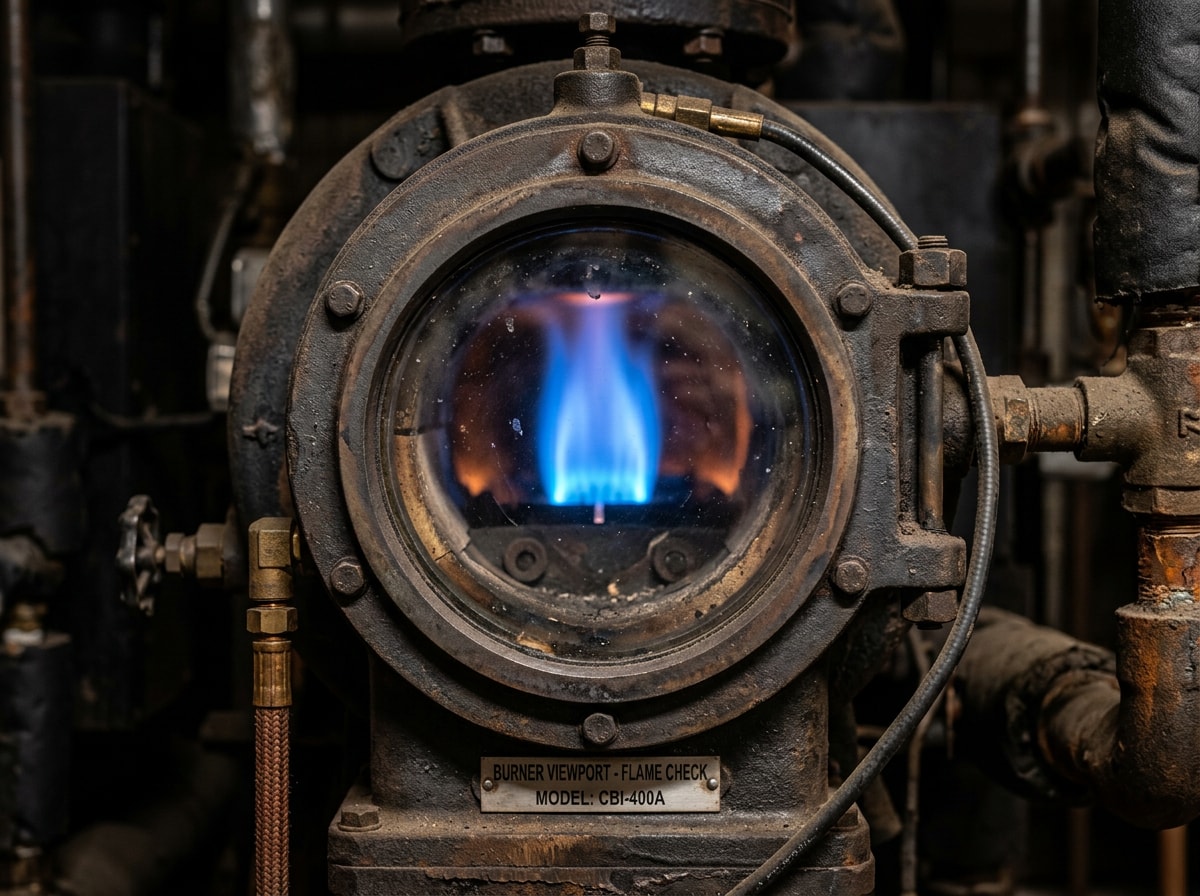
- A yellow pilot light instead of crisp blue, which signals incomplete combustion
- Any smell of gas near the unit
- Soot or scorch marks around the boiler
- Unusual noise paired with a burning smell
A yellow or orange flame points to a possible carbon monoxide risk from incomplete combustion. Federal health data shows that headache, nausea, vomiting, dizziness, blurred vision, confusion, chest pain, weakness, heart failure, difficulty breathing, seizures and coma have been reported in people inhaling carbon monoxide , which is exactly why this symptom should never wait for a routine appointment.
What Boiler Maintenance Costs in Emerald Isle, NC (2026)
Routine maintenance is almost always cheaper than an emergency repair or a premature replacement. A single mid-winter breakdown can cost several times more than a scheduled visit.
| Service | Typical Price Range | What's Included |
|---|---|---|
| Standard annual tune-up | $150–$350 | Inspection, cleaning, safety control testing, combustion check |
| Combustion analysis / calibration add-on | $75–$150 | Detailed fuel-to-air ratio testing and burner adjustment |
| Emergency diagnostic visit | $125–$250 | After-hours or same-day troubleshooting |
| Full system replacement | Varies by equipment and sizing | Removal of old unit, new installation, startup testing |
Federal guidance on home energy use backs this up directly: make sure your furnace or heat pump receives professional maintenance each year . Skipping that visit does not just raise breakdown risk, it also lets efficiency losses creep into your monthly bill unnoticed.
If your technician determines the boiler is beyond economical repair, our HVAC System Replacement page walks through what a new install involves. Want a number specific to your system? Get a Free Estimate before you commit to any repair.
Best Time to Schedule Service on the Crystal Coast
Late summer through early fall is generally the best window for boiler service. Booking before the weather turns means avoiding the peak-season rush, when technicians are booked solid and parts take longer to source.
Emerald Isle adds a second reason to move early: salt-laden air accelerates corrosion on flue components and cabinet hardware faster than it does inland, and in our service calls across the area, flue corrosion is the single most common issue we find each fall, well ahead of burner wear. Many homeowners also prefer to handle this kind of home-system check before hurricane season ramps up rather than during it. NOAA's outlook for the 2026 Atlantic hurricane season, which runs June 1 to November 30 , gives a full six months where storm prep and HVAC readiness overlap on the coast.
Building a boiler check into a broader seasonal routine, alongside gutter cleaning and storm prep, keeps the heating system from becoming an afterthought. For a closer look at boiler installation and lifecycle costs on the coast, see our guide to boilers in Atlantic Beach, NC. See how we support homeowners across Emerald Isle, NC and the surrounding Crystal Coast.
Ready to get ahead of the fall rush and hurricane season both? Get a Free Estimate.
Carolina Service Works is a licensed HVAC, plumbing, electrical, and generator contractor serving Emerald Isle and the Crystal Coast. Visit our homepage to see the full range of services alongside boiler maintenance. This checklist was reviewed by our lead HVAC technician, who has serviced boilers and heating systems across Emerald Isle, Swansboro, and Morehead City for years. Questions about your specific system? Contact Carolina Service Works directly.
FAQ
How often should a boiler be serviced?
Once a year, ideally in late summer or early fall before cold weather and heavy demand arrive.
What's included in a boiler tune-up?
A visual inspection, internal cleaning, flue check, safety control testing, gas pressure check, and a combustion test. Together these confirm the system is safe and ready for winter.
Can I perform boiler maintenance myself?
Simple tasks like checking the pressure gauge, bleeding radiators, and visual inspections are fine to do yourself. Gas, electrical, and combustion-related work should never be attempted without a license, since these require specialized testing equipment and carry real safety risk.
What are the signs my boiler needs service?
Unusual noises, uneven heating, a yellow or orange pilot flame, and unexplained increases in energy bills are the most common signs. Any of these alongside a gas smell warrants a prompt inspection rather than waiting for the next scheduled visit.
How long does a well-maintained boiler last?
Typically 15 to 20 years with consistent annual servicing. Neglected units often fail well before that range, sometimes a decade earlier, due to accumulated wear and undetected component issues.
What happens if you don't service your boiler?
Skipping maintenance can void manufacturer warranty requirements, reduce efficiency, and raise the risk of a mid-winter breakdown. It also increases safety concerns, since undetected combustion issues can go unnoticed without routine inspection.