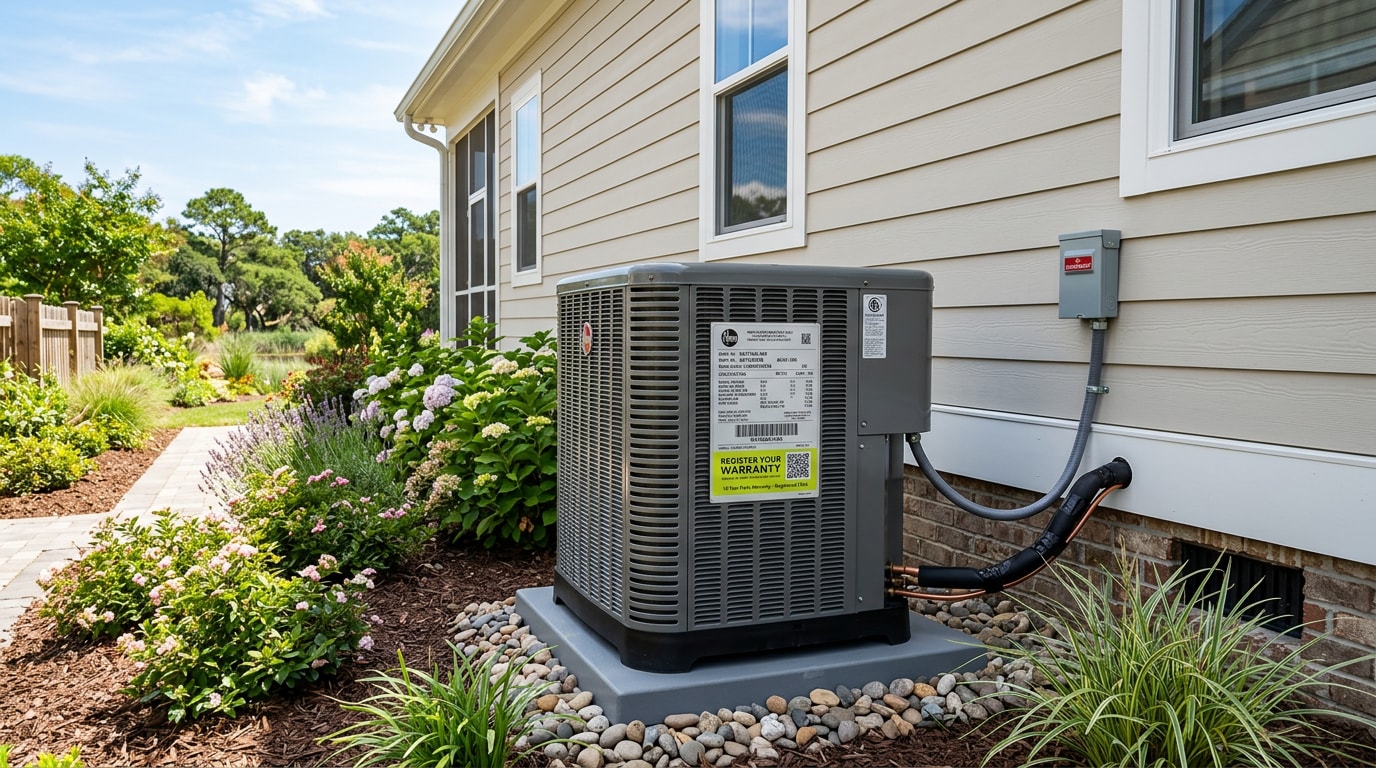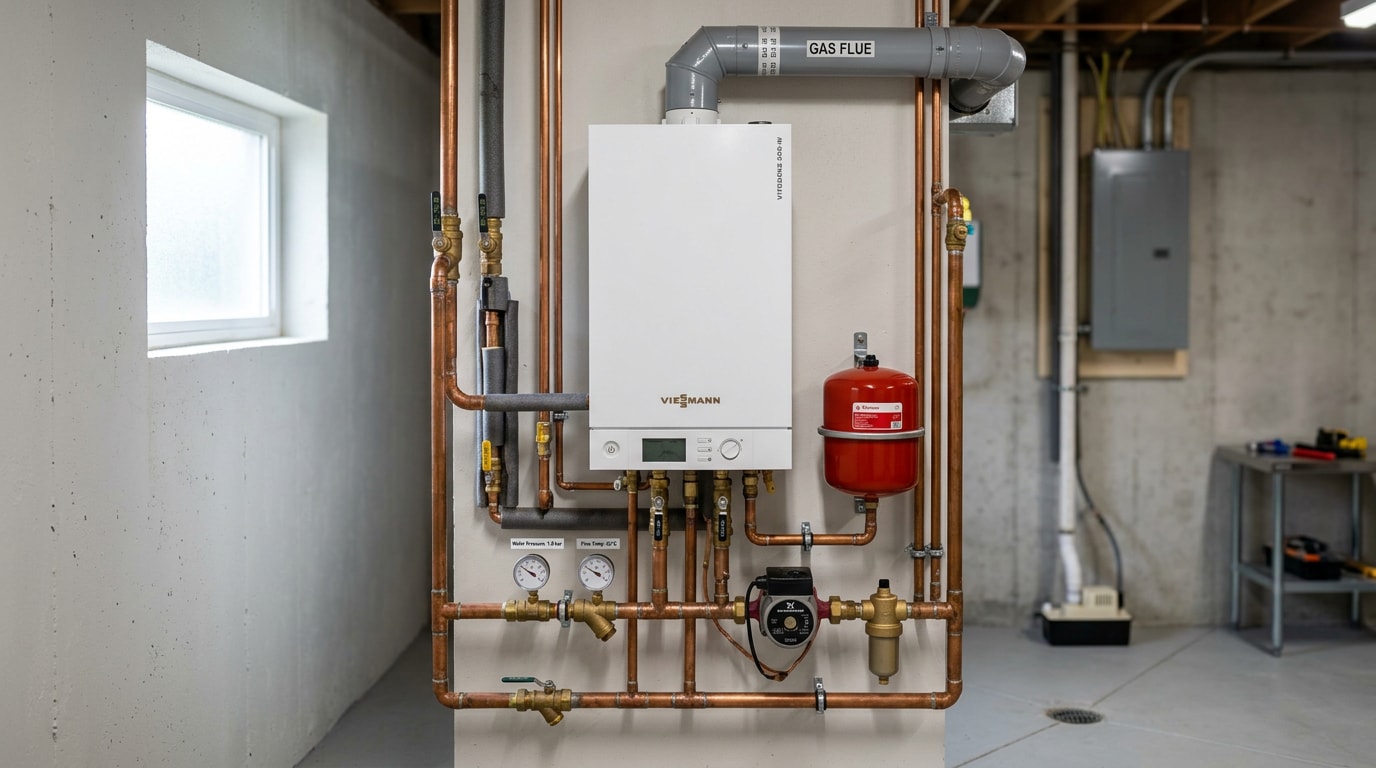
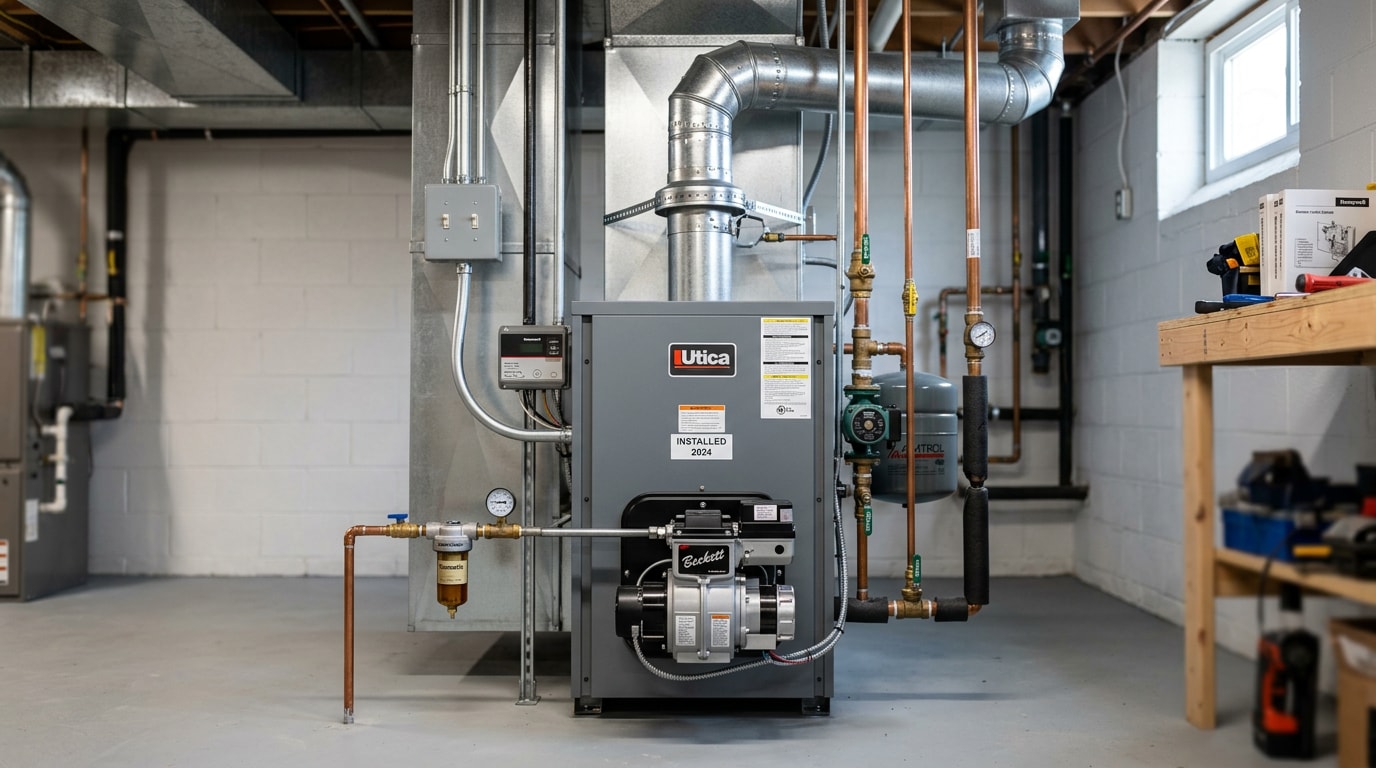
Oil furnace installation in Morehead City, NC takes more than swapping one box for another. It takes a contractor who understands combustion heating equipment and the salt air that eats through components faster here than inland. Below is what actually matters before you sign a quote, including a coastal-specific risk most installers never mention.
Signs You Need Oil Furnace Installation or Replacement
Not every furnace problem means a full replacement. But a few signs point clearly toward installing a new system instead of patching the old one:
- The furnace is 15+ years old and repairs are getting more frequent
- Heating bills have climbed without a change in usage
- You hear banging, screeching, or rattling on startup
- There's a burning smell, soot streaks, or a yellow (not blue) flame
- Rooms heat unevenly even with the thermostat set correctly
That last group of symptoms, soot, odd flame color, and burning odors, also overlaps with warning signs of a combustion problem. CO is found in fumes produced any time you burn fuel in cars or trucks, small engines, stoves, lanterns, grills, fireplaces, gas ranges, or furnaces. If you notice these signs, don't wait on a repair call. Have your heating system, water heater, and any other gas, oil, or coal burning appliances serviced by a qualified technician every year.
Oil Furnace Installation Cost in Morehead City, NC
Cost depends on home size, ductwork condition, and whether the oil tank needs to move or be replaced. Here's a general range for the Crystal Coast market:
| Fuel Type | AFUE Efficiency | Typical Install Cost | Avg. Lifespan |
|---|---|---|---|
| Oil Furnace | 80–90% | $5,000–$9,500 | 15–25 years |
| Gas Furnace | 90–98% | $4,500–$8,500 | 15–20 years |
| Electric Furnace | 95–100% | $3,500–$7,000 | 20–30 years |
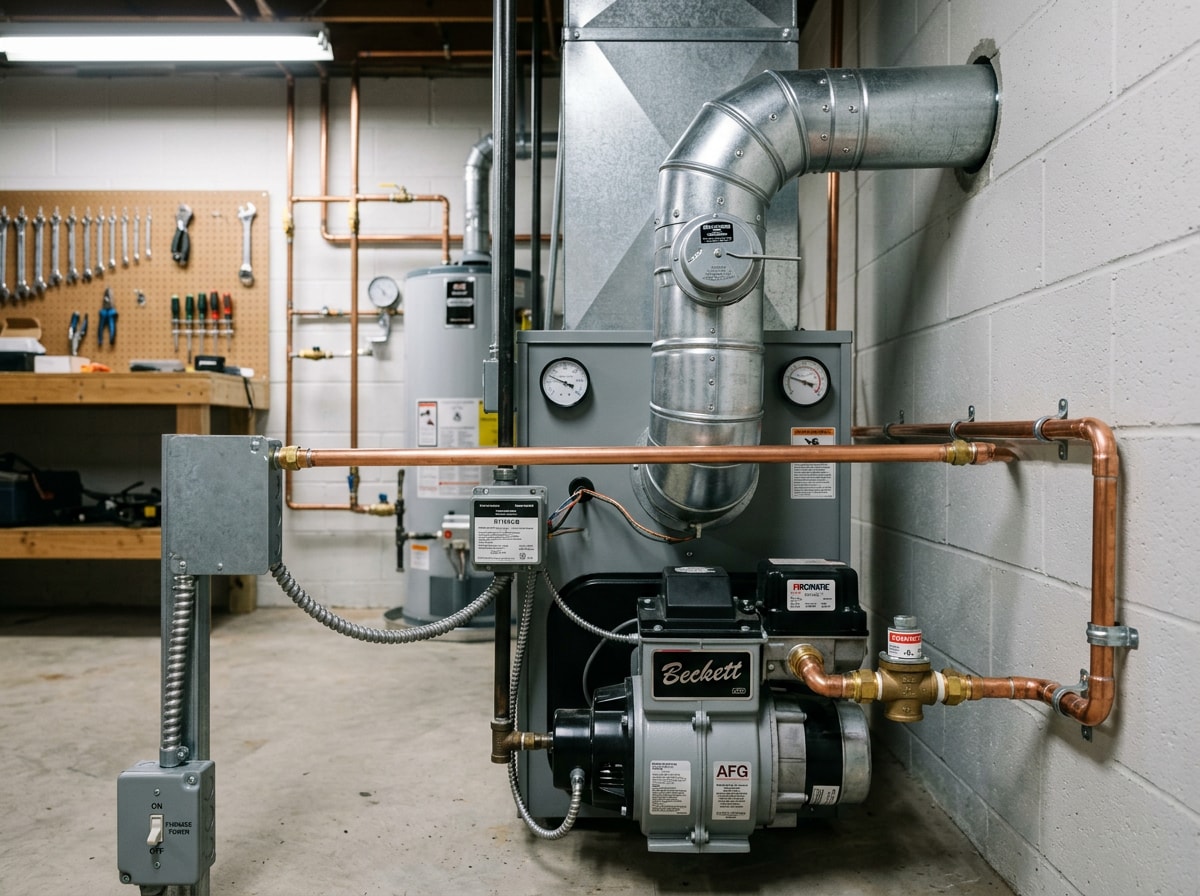
These numbers move up when a job involves tank relocation, new ductwork, or an electrical panel that can't handle the new unit's load. Ask for an itemized quote, not a flat number, so you know exactly what's driving the price.
Oil vs. Gas vs. Electric: Which One Fits Your Home
AFUE is a measure of what percentage of the heat in the incoming fuel is actually converted to space heat instead of being lost , and it's the main number to compare across fuel types. Oil typically runs 80–90% AFUE, while modern gas and electric systems can edge higher.
That said, efficiency on paper isn't the whole story. Although older fossil fuel furnace and boiler systems have efficiencies in the range of 56% to 70%, modern conventional heating systems can achieve efficiencies as high as 98.5%, converting nearly all the fuel to useful heat for your home. Natural gas lines simply don't reach every neighborhood between Morehead City and Cape Carteret, which is why oil furnace installation remains common even where a gas furnace would win on efficiency alone.
Electric furnaces avoid combustion risk entirely but cost more to run in homes with high heating demand. Oil splits the difference: strong heat output per gallon, no gas line required, and a tank you control.
What Happens During Oil Furnace Installation
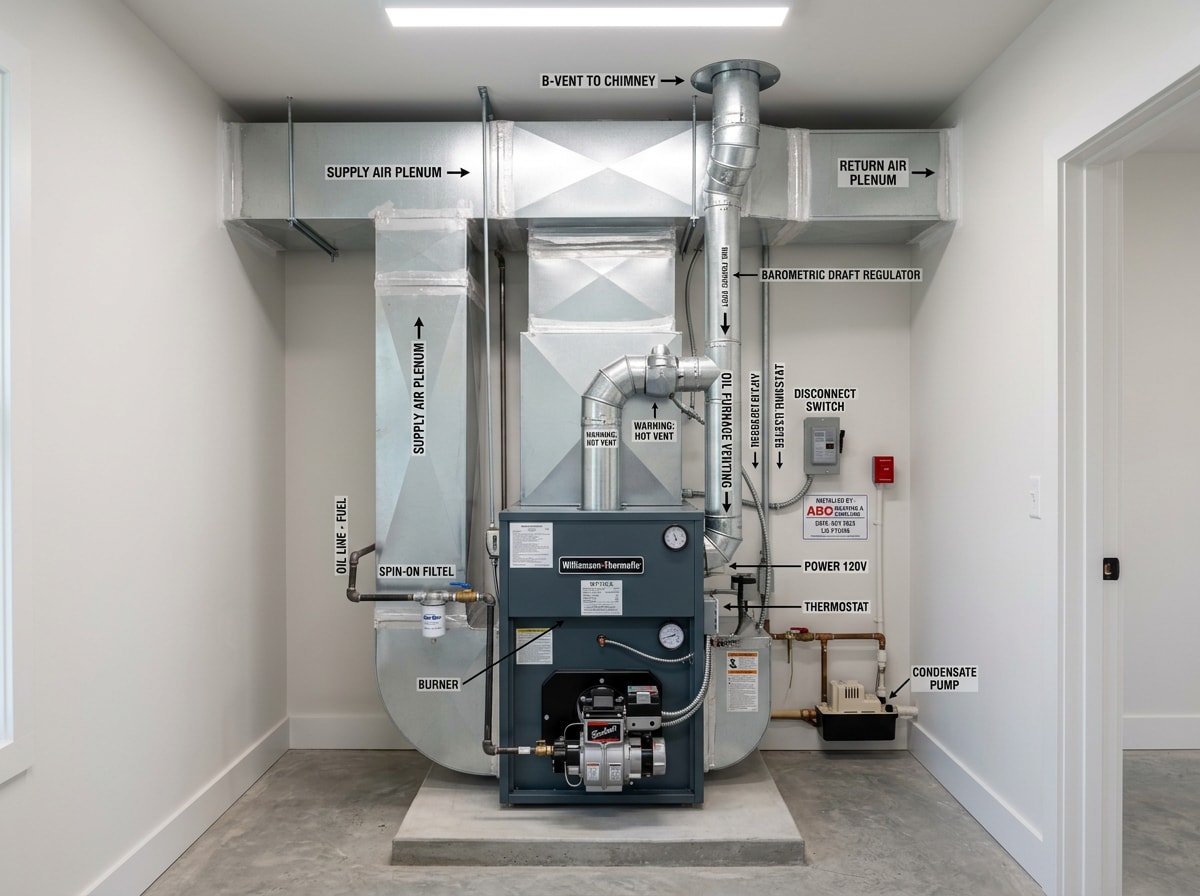
A straightforward installation is a one-day job. Here's the typical sequence:
- Load calculation – the installer sizes the unit to your home's square footage and insulation, not just a swap of the old BTU rating
- Old unit removal – the existing furnace is disconnected and hauled away
- Tank inspection – the oil tank is checked for corrosion, leaks, and code compliance, or replaced if needed
- Venting and flue work – new venting is installed to current safety standards
- Electrical and combustion testing – technicians verify safe ignition, draft, and shutoff function
- Startup and efficiency tuning – the system is fired, tested under load, and tuned before the crew leaves
Jobs run longer, sometimes two to three days, when the tank needs to move, ductwork needs rework, or the electrical panel needs an upgrade to support the new blower motor. If your panel is older, it's worth having it checked alongside the furnace quote; an electrical inspection can catch capacity issues before installation day instead of during it.
Coastal Considerations: Salt Air and Oil Tanks
Here's something most installation guides skip entirely. Homes within a few miles of the water, which is most of Morehead City, see faster corrosion on outdoor above-ground oil tanks than homes further inland. Salt-laden air attacks tank seams, fittings, and the legs supporting the tank years before a comparable tank would fail in a dry inland climate.
A few things that help:
- Choose an indoor tank location (basement, utility room, garage) when the layout allows it
- If the tank must sit outside, ask about corrosion-resistant coatings and elevated, covered placement
- Schedule a tank inspection annually, not just when you think something's wrong
- Check with your homeowners insurer: many carriers now require a tank sweep or inspection report before underwriting a policy on a home with oil heat
This is a detail a Morehead City based crew should flag during the quote. An installer working strictly off a cost spreadsheet from somewhere inland won't.
Choosing an HVAC Contractor for Oil Furnace Installation
Not every HVAC company installs oil systems regularly anymore, so ask directly:
- Are you licensed for oil-fired equipment installation, not just gas?
- Can I see references from oil furnace installs in this area specifically?
- Is the quote itemized, or is it one lump number?
- What's the warranty on labor versus the manufacturer's warranty on parts?
A straight answer to all four is a good sign. Browse our HVAC contractor services to see what a full-service quote should cover, and confirm coverage on our Morehead City service area page.
Emergency Heating Service on the Crystal Coast
A furnace failure during a cold snap, or right after a nor'easter knocks out power, shouldn't mean waiting days for a callback. If a storm takes out your electricity along with your heat, a standby generator keeps the furnace's blower and ignition running until the power's back. For the furnace itself, same-day diagnostic and heating system repair should be the standard, not the exception.
Keeping an Oil Furnace Running Efficiently
Installation is the start, not the finish. Annual tune-ups, filter changes, and nozzle cleanings keep an oil furnace near its rated efficiency instead of drifting lower every winter. Pair that with HVAC maintenance on a set schedule, and consider indoor air quality upgrades if combustion byproducts or humidity are a concern in an older home. If the furnace is past its useful life, HVAC system replacement is often cheaper over five years than repeated repairs.
Serving Morehead City and the Crystal Coast
Carolina Service Works installs and services oil, gas, and electric furnaces throughout Morehead City and the surrounding Crystal Coast, including Atlantic Beach, Pine Knoll Shores, Beaufort, Swansboro, Emerald Isle, and Cape Carteret. Visit our homepage for a full list of services, or contact us directly to schedule a quote.
The licensed technicians behind this guide install and service oil, gas, and electric furnaces across Carteret County year-round, including the tank and venting work that coastal homes need more often than inland ones. Questions about your specific situation are best answered with a look at the actual equipment, not a blog post.
FAQ
How much does it cost to install an oil furnace in Morehead City, NC?
Most oil furnace installations here run $5,000 to $9,500 installed. Home size, AFUE rating, and whether the existing ductwork or oil tank need upgrading all move that number up or down.
How long does it take to install an oil furnace?
A standard replacement takes about one day when the ductwork and tank stay in place. Expect two to three days if the tank needs to move, ductwork needs rework, or the electrical panel needs an upgrade.
How long does an oil furnace last?
Typically 15 to 25 years with annual tune-ups and timely filter changes. Skip maintenance or undersize the unit for the home, and that lifespan drops.
Is it worth replacing an oil furnace with a gas furnace?
It depends on whether gas lines already run near your home. If they do, converting can lower long-term fuel costs, but running a new gas line adds upfront expense that takes years to pay back in savings.
How much does it cost to convert an oil furnace to electric?
Converting from oil to electric isn't a simple swap. The old oil system has to be fully removed before a new electric furnace goes in, which adds labor and disposal cost on top of the new unit itself.
How often should an oil furnace be serviced?
Once a year, before heating season starts. Annual service catches nozzle wear, tank corrosion, and combustion issues before they turn into a mid-winter breakdown or a safety hazard.