Hiring HVAC service technicians in Cape Carteret, NC isn't just about fixing a broken air conditioner. It's about finding a crew that can handle repairs, installations, maintenance, and emergency calls for a house that sits a few miles from salt water. Here's what full-service coverage actually looks like, what it should cost you in peace of mind, and how to check a technician's credentials before they step on your property.
What HVAC Service Technicians in Cape Carteret Handle Day to Day
A full-service HVAC technician does more than show up when something breaks. The job spans diagnostics, repair, replacement, routine maintenance, and system installation for both homes and businesses.
24/7 emergency repair, AC installation, furnace service, and duct cleaning should be standard parts of that job, not premium add-ons you pay extra to access. If a company treats emergency service as an upsell, that's worth noticing before you sign anything. You can see the full scope of what a properly staffed team covers on the HVAC contractor services page.
Air Conditioning Repair on the Carteret County Coast
Diagnosing a struggling AC system starts with the symptoms: weak airflow, warm air blowing from the vents, short cycling, or a compressor that won't stop running. A good technician chases the root cause instead of patching the symptom and sending you an invoice.
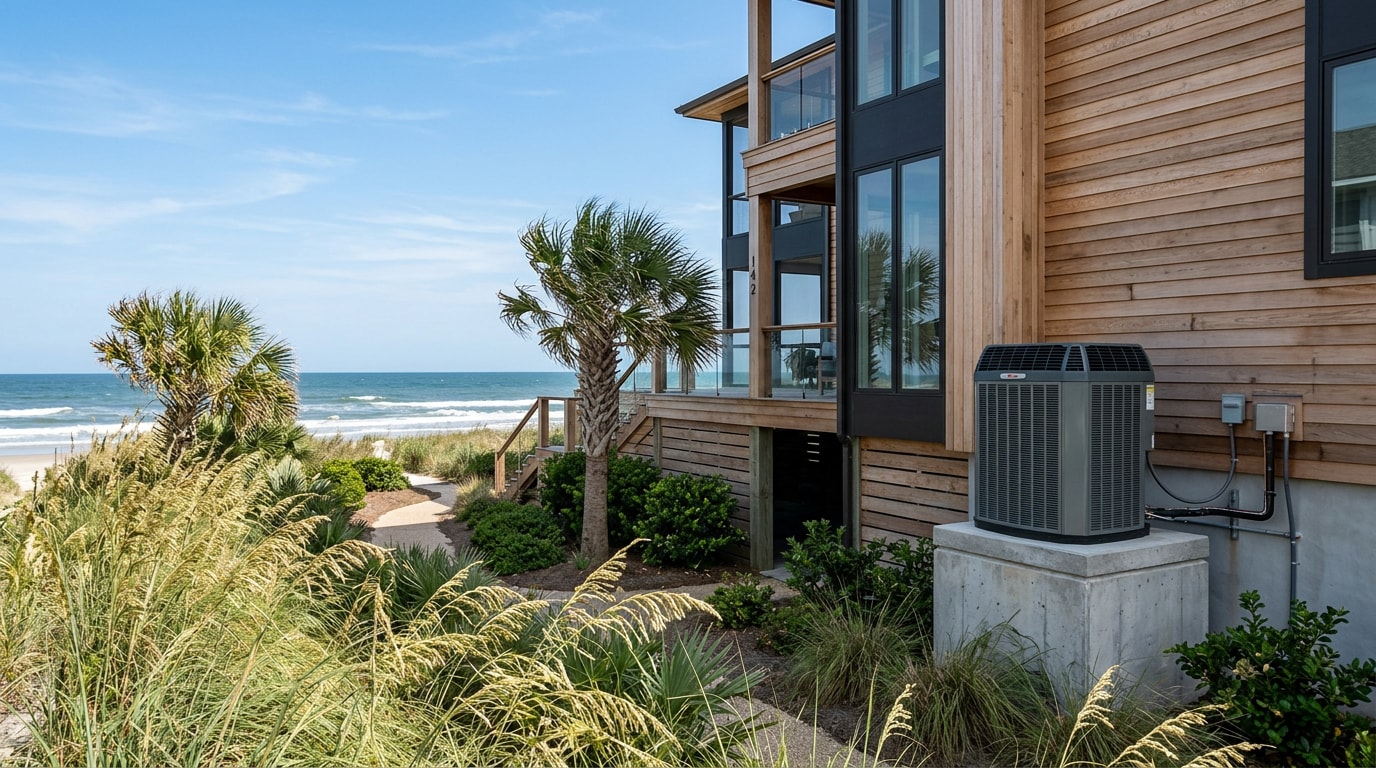
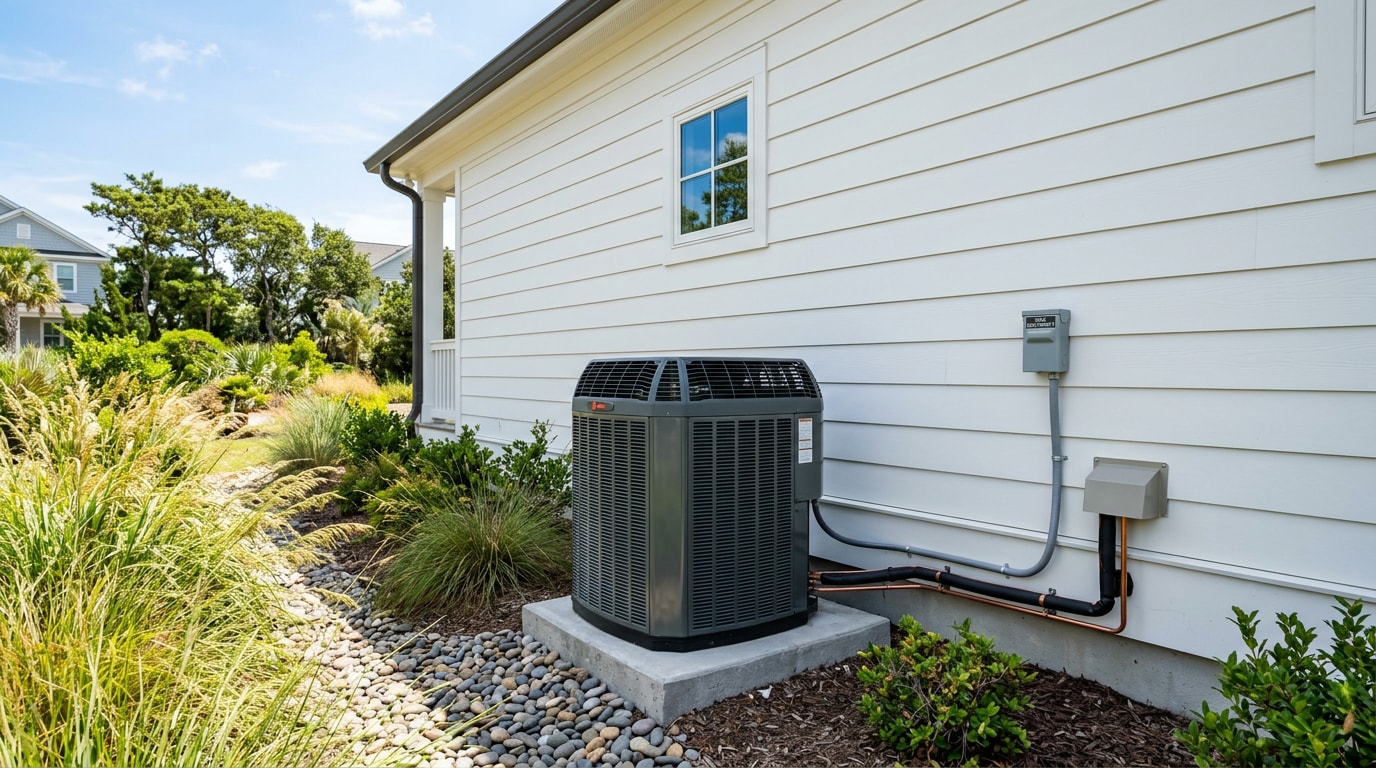
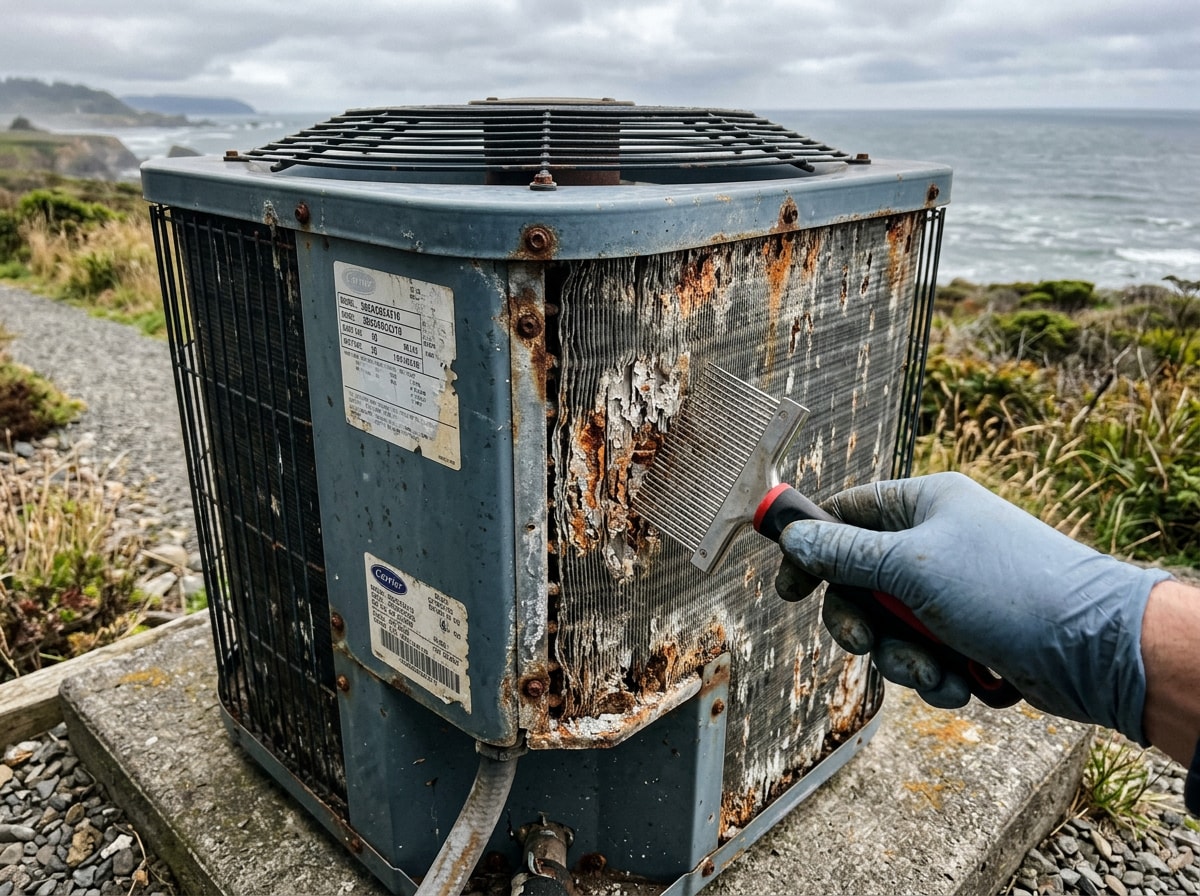
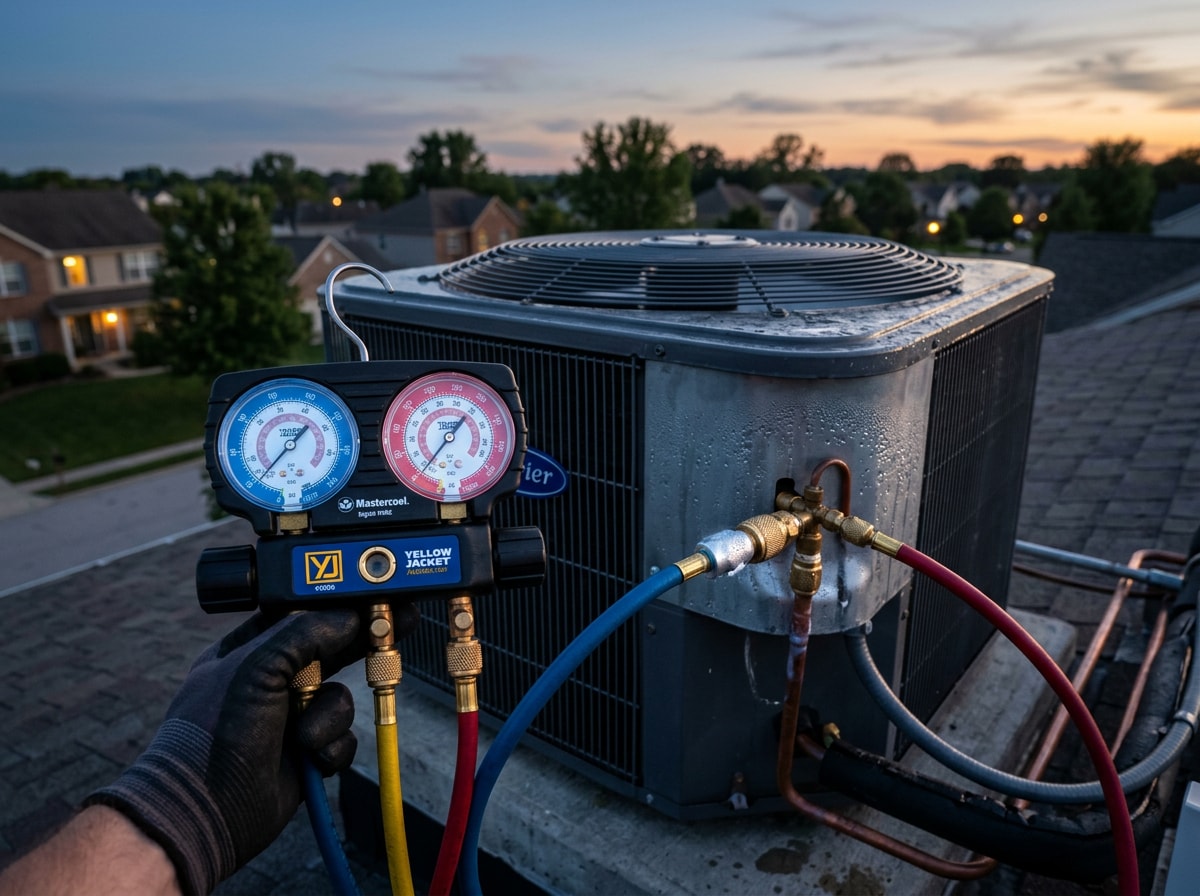
Coastal humidity makes that diagnostic work harder in Cape Carteret than it is 30 miles inland. Salt-laden air accelerates corrosion on condenser coils and electrical contacts, which is why routine air conditioning repair and seasonal tune-ups through HVAC maintenance matter more here than in drier parts of the state. Boat owners on Bogue Sound deal with a similar problem on a smaller scale — our guide to marine air conditioning in Cape Carteret covers how salt exposure affects cabin AC systems the same way it affects home units.
Heating Systems: Furnaces, Heat Pumps, and Boilers
Central air isn't the only system a well-rounded technician needs to know cold. Furnaces, heat pumps, radiant heat, and boilers each demand a different service approach, and treating them all the same way is how small problems turn into mid-winter breakdowns.
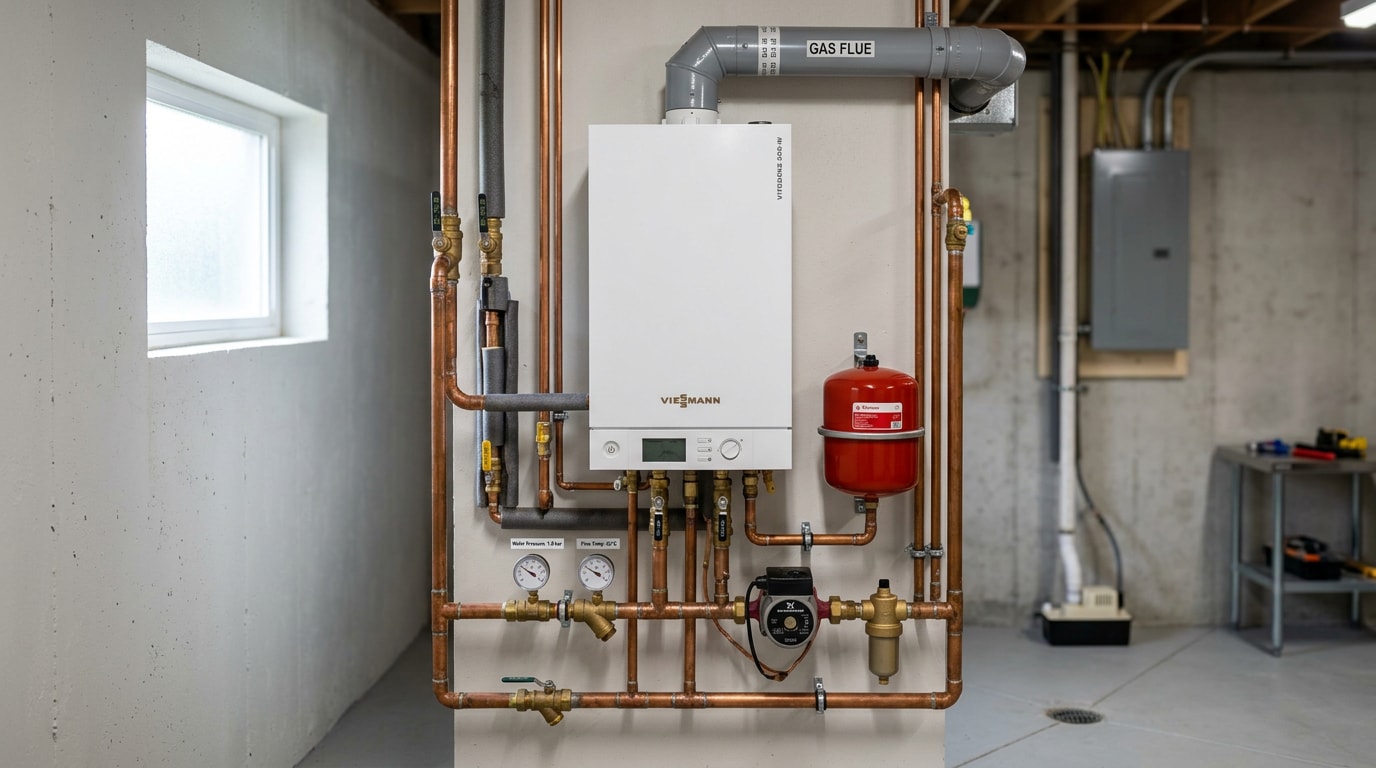
Heat pumps rely on defrost cycles and reversing valves that need periodic calibration. Furnaces depend on ignition systems and heat exchangers that wear down with age and use. If your system needs attention, heating system repair covers diagnostics for both, and HVAC system replacement is worth exploring once repair costs start creeping toward the price of a new unit.
Many technicians also install dehumidifiers and air scrubbers through indoor air quality upgrades, which matter more in a humid coastal climate where mold and mildew take hold fast.
Commercial HVAC Service in Cape Carteret
Businesses along the Cape Carteret waterfront lose more than comfort when a rooftop unit fails — they lose revenue every hour it's down. A commercial technician typically inspects the system first, isolates the specific failure, and builds a repair plan before touching a wrench to anything.
That sequence keeps costs predictable and avoids unnecessary equipment swaps. Store owners and property managers can review what a standard commercial service agreement includes on the HVAC contractor page.
Emergency HVAC Service: When You Can't Wait
Coastal weather here shifts fast, which is why round-the-clock availability has to mean something more than a line on a website. A real emergency looks like no heat during a hard freeze, no AC during a heat advisory, or the smell of gas near a furnace.
Situations like these aren't ones where "we'll see you Monday" is acceptable:
- No heat during freezing overnight temperatures
- No cooling during a heat advisory, especially for elderly residents or infants
- A gas smell near a furnace or water heater
- Electrical burning smell from an air handler or outdoor unit
- Standing water around an indoor unit after a storm
Certified technicians who genuinely staff 24/7 emergency lines are worth prioritizing over companies that only advertise the phrase. If you're facing any of the situations above, contact us directly rather than waiting out the night.
Standby Generators: Storm-Ready Backup Power
Carteret County sits in an active hurricane corridor, which makes backup power a practical pairing with HVAC service rather than an unrelated add-on. Many full-service technicians also handle standby generator installation, generator repair, and year-round emergency generator service.
Backup power carries real risk when it's installed or operated incorrectly. The CDC recommends operating portable generators more than 20 feet from windows, doors, and vents, and never running one inside a home or garage, even with doors open, because carbon monoxide builds up fast and without warning. Review the CDC's carbon monoxide safety guidance before storm season turns placement into an emergency decision. A professionally wired standby unit sidesteps most of that risk because installers follow code-mandated clearances from the start.
What Drives HVAC Service Pricing in Cape Carteret
Exact repair and installation quotes depend on the system, the failure, and the time of year — a diagnosis in July costs more to schedule fast than the same repair in April. One useful benchmark: the U.S. Bureau of Labor Statistics reports a median annual wage of roughly $57,260 for heating, air conditioning, and refrigeration mechanics in North Carolina, which reflects steady demand for skilled labor statewide. Coastal counties with fewer providers per household can see tighter scheduling and less price competition than metro areas like Raleigh or Charlotte.
| System Type | Typical Service Interval | What a Tune-Up Covers |
|---|---|---|
| Central AC / heat pump | Twice yearly (spring + fall) | Coil cleaning, refrigerant check, electrical connections, airflow |
| Furnace | Once yearly, before winter | Ignition system, heat exchanger inspection, filter, carbon monoxide check |
| Boiler / radiant heat | Once yearly | Pressure testing, circulator pump, venting, water chemistry |
| Ductless mini-split | Twice yearly | Filter cleaning, coil inspection, drain line, refrigerant levels |
| Standby generator | Twice yearly | Battery, oil, transfer switch, load test |
Skipping the twice-yearly cadence on coastal AC systems is the single most common reason homeowners here see early compressor failure — salt air simply accelerates wear that inland systems don't face at the same rate.
How to Vet an HVAC Technician Before You Hire
State licensing is the most concrete way to check a technician's credentials before they're on your roof. North Carolina requires HVAC contractors to hold a license through the NC State Board of Examiners of Plumbing, Heating and Fire Sprinkler Contractors, and that board maintains a free public lookup tool for verifying active status.
Beyond state licensing, look for:
- An active NC heating/HVAC contractor license in good standing
- NATE certification, which the Department of Energy recognizes as a mark of real-world technician competency
- Transparent, written pricing before work begins, not after
- A staffed 24/7 line that someone actually answers at 2 a.m.
- References or reviews specific to coastal or marine-adjacent properties
A technician who checks all five boxes is worth the extra few minutes it takes to confirm.
Serving Cape Carteret and the Surrounding Crystal Coast
Local coverage matters because coastal HVAC problems don't stay confined to one zip code. Teams that regularly service Cape Carteret typically also cover nearby Swansboro, Emerald Isle, Morehead City, Beaufort, Atlantic Beach, and Pine Knoll Shores, which means they've seen the same salt-air wear patterns across dozens of similar homes rather than guessing at a one-off repair.
A Local Technician's Take
"The coils we pull off units a mile from the water look nothing like the ones we pull from inland Jacksonville homes of the same age," says Caleb Hardison, a NATE-certified lead service technician with Carolina Service Works who has worked HVAC calls across Carteret County for more than a decade. "If a homeowner here skips the fall tune-up, I can usually tell within thirty seconds of opening the cabinet." That's the kind of pattern recognition that only comes from working the same coastline year after year, not from a general service checklist.
If you need a technician who already knows what Cape Carteret's salt air does to a condenser coil, get a free estimate from our team or start at the Carolina Service Works homepage to see our full service lineup.
FAQ
What does an HVAC service technician do?
HVAC service technicians diagnose, repair, install, and maintain air conditioners, furnaces, heat pumps, boilers, and indoor air quality equipment. Their work also typically includes warranty service, routine inspections, and after-hours emergency calls when a system fails without warning.
How much does HVAC service cost in North Carolina?
Exact pricing varies by system, failure type, and season, so there's no single statewide number that applies to every job. The BLS reports a median technician wage of about $57,260 a year in North Carolina, which gives a rough sense of labor costs behind a service call, but the best way to get an accurate number is a written quote for your specific system.
How often should you service your HVAC system?
Most residential systems need professional maintenance at least once a year. Homes that rely on the same system for both heating and cooling benefit from twice-yearly service, ideally once before summer and once before winter, so wear gets caught before it becomes a breakdown.
What's the difference between an HVAC technician and an HVAC contractor?
A technician performs the hands-on repair, installation, and maintenance work. A contractor is the licensed business that employs technicians, pulls permits, and carries the insurance required by North Carolina's licensing board. You want both: a licensed contractor backing a skilled technician.
Do coastal homes in Cape Carteret need more frequent HVAC service than inland homes?
Yes. Salt air speeds up corrosion on outdoor condenser coils, electrical contacts, and cabinet hardware. Twice-yearly tune-ups catch that wear early, which is why coastal maintenance schedules run tighter than inland recommendations.
How do I choose the right HVAC company near me?
Confirm an active North Carolina HVAC license and check for NATE certification before signing anything. Ask whether 24/7 emergency service is actually staffed, not just advertised, and look for a company with a track record on homes similar to yours.